

Everyday Ways AI Can Help Older Adults
AI can support daily routines for everyday life, offering patience and kindness that feels far from intimidating. For older adults, these “gentle AI” helpers are designed to make everyday living smoother, whether it’s taking the mental load off remembering things, helping stay connected with loved ones, or bringing new excitement to favorite hobbies and activities. In this article, I’ll break down how friendly AI tools support health, add a boost to wellbeing, and give peace of mind for those who want a simpler, happier daily routine.
Everyday Memory Support That Lets the Brain Relax
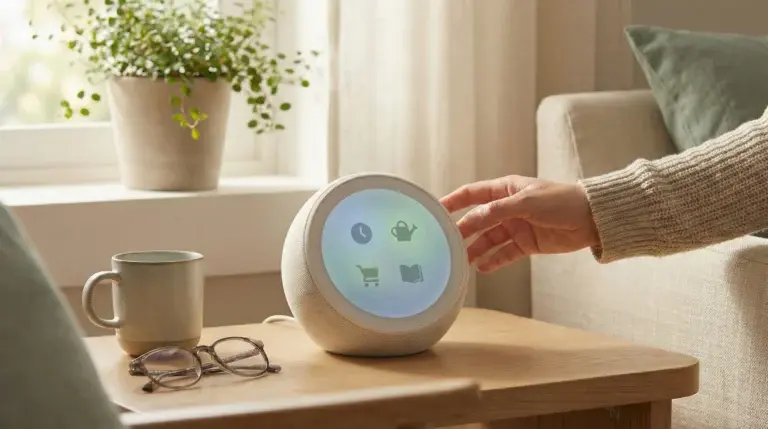
Remembering appointments, taking medications on time, or keeping track of birthdays used to mean sticky notes everywhere or frequent reminders from loved ones. AI now takes on some of that work, quietly blending into daily life. Smart assistants, like compact speakers on the table, can softly chime when it’s time for medication, or give a heads up before a calendar event approaches.
Reminders usually need just a one-time setup and then they smoothly handle things in the background—no more panic about missing a doctor’s appointment or forgetting pill time. Voiceactivated lists let older adults add groceries or to-dos in a snap. Many wearables also provide a subtle buzz on the wrist as a gentle nudge, which is less jarring than a phone alarm.
This level of memory support frees up mental energy for the good stuff, like enjoying a visit from family or digging into a great novel. It helps people focus on what matters rather than worrying about skipped chores.
Understanding Confusing Information Made Simple
Piles of paperwork, complex medical instructions, or deciphering a bank statement can be overwhelming—especially when forms use so much official language. Gentle AI turns this struggle into a smoother process by translating tricky text into clear, friendly speech. Ask a smart device to break down a confusing letter, or snap a photo of paperwork to get the basics spelled out in simple terms.
You might copy the text into an AI assistance and ask: “Please explain this in simple terms suitable for a 70-year-old who doesn’t use legal language”. You’re not “stupid” for needing help. The documents are often badly written. AI simply helps make them fair and readable.
Some apps can walk users through government forms or tax details, checking in with gentle, step-by-step questions. This helps ease the heavy weight of tackling chores that used to cause stress. AI chatbots from banks or healthcare providers are available all hours, never losing patience with repeated questions. There’s comfort in knowing that help is just a voice command away, no matter how late the hour or how tangled the papers might look.
Staying Connected With Family and Friends
Social connection is crucial at any stage in life. When loved ones live far away or it’s hard to schedule visits, loneliness can set in. Gentle AI can make it easier to check in or send a message. Smart speakers or AI voice assistants can turn calls and messages into something as quick as saying, “Call my daughter” or “Send a message to my friend Helen.”
If you are struggling with composing a message, try enlisting the support of AI. For example “Help me write a warm birthday message to my grandson who is turning 10.” It can help with suggestions for conversation if you provide some context – eg “What can I ask my teenage granddaughter about her hobbies?”. AI can also help you translate languages if you request this.
Video calls can be launched by voice command, and AI tools automatically tweak lighting and sound so that calls stay comfortable and faces are clearly seen. Some platforms suggest books, news to share, or even prompt friendly conversation starters if things start to get quiet.
Digital photo frames linked to gentle AI can keep living rooms fresh with new family photos each day. In group chats, AI flags important messages and highlights special dates like birthdays, so celebrations are never missed and everyone feels remembered.
Enjoying Hobbies and Creative Passions
Leisure time spent on music, art, cooking, gardening, or puzzles gets a boost with gentle AI. Older adults who like to knit, paint, or write stories have a world of new ideas at their fingertips. It is a wonderful tool for generating story ideas, poems or songs to entertain grandchildren! AI apps can suggest creative projects, help generate digital art, or recommend the next chapter in a favorite series.
For music fans, voice assistants queue up beloved tunes from years past, or curate mixes based on mood and style. Book lovers enjoy audiobooks read aloud with clarity, and AI also offers personalized recommendations. Gardeners get plant care reminders with neighborhood weather updates, while puzzle lovers find fresh games designed to stretch the mind.
No high-tech skills are required—AI is happy to guide at any pace, always encouraging without being pushy. It can help people track down new interests, or reconnect with passions they’d set aside, and works as a zero-judgment cheerleader, always encouraging and eager to spark the next idea.
Supporting Health and Wellbeing the Gentle Way
Gentle AI tools go further than reminders and entertainment. They support both health and selfcare with subtlety. AI is not the doctor, but it can be a helpful partner, assisting with
- exercise routine ideas – for example “Give me a 5-minutes gently stretching routine that’s suitable for someone with stiff knees”;
- helping you build a shopping list focussing on healthy choices, or generate recipes based on ingredients that you have and cooking methods you prefer;
- offering mindfulness scripts or breathing exercises you can follow.
Many older adults appreciate wearables that track steps, heart rate, and sleep, sending secure updates to users and, if allowed, trusted family members or doctors. AI tools also track medication refills, helping dodge missed pills or last-minute pharmacy trips.
Virtual companions can notice mood changes by listening to your tone of voice or seeing a dip in activity. They softly suggest a walk or a quick breathing exercise and offer support during tougher stretches—all while guarding user privacy.
Telehealth gets easier, too. Gentle AI can help make virtual doctor appointments simpler, break down medical instructions, or pull up health records when needed. Knowing that there’s always a safety net or extra set of “ears” ready gives many folks confidence as they handle their health.
Tips for Getting Started With Gentle AI for Older Adults
Starting out with new technology can seem daunting, but gentle AI tools are made to suit real needs. Here are some practical tips for kicking things off:
- Ask for help from family or friends: Loved ones are often happy to lend a hand getting voice assistants, speakers, or wearables going. Many devices offer guided setups.
- Start with the basics: It’s smart to pick one or two helpful features, such as automated reminders or handsfree calls, before adding more. Move at a natural pace to build confidence over time.
- Prefer senior-friendly designs: Look for AI products with larger buttons, simple instructions, and clear voice guides. Reviews from other older adults help spot which products are truly gentle and reliable.
- Ask as needed: AI systems do better with feedback. If a reminder feels off or an answer is confusing, don’t hesitate to tweak settings or ask for clearer help.
Real-World Examples of Gentle AI in Action
Here are a few ways gentle AI is making daily life better for older adults:
- Smart Medication Dispensers: These make sure users get the right pills at the right time and avoid missed doses or confusion.
- AI-Powered Reading Glasses: Wearable AI can read packaging and letters aloud, which brings comfort to those with vision changes.
- Social Robots: These friendly helpers check in daily, make conversation, and can even suggest easy exercises for those living solo.
- Personalized Entertainment: AI suggests shows, music, and games based on individual tastes, always ready to adapt or serve up new options.
Frequently Asked Questions About Gentle AI and Daily Life
What if I’m worried about privacy with AI devices?
Most gentle AI tools are built with privacy front and center, but always doublecheck device settings and only share what feels comfortable. Choose companies that clearly break down how your data is being used.
Can AI replace human connection?
AI is an add-on that brings loved ones closer and supports independence, but nothing beats a face-to-face chat or a real hug. It’s an assistant, not a replacement.
How do I know if a device or app will really help me?
Read reviews from other older adults, try features in-store, and lean on recommendations from friends or family. Many companies now have free trials—so you can take your time deciding what fits.
How can I access AI
Start here: How to Access AI (free + simple steps) → Toolbox
Finding Your Own Gentle AI Routine
Gentle AI isn’t just about new gadgets—it’s about adding comfort, friendly company, and self-assurance to daily life. Whether you want more confidence with memory, help with complicated letters, or a smoother way to keep in touch, these tools can really be a friend to older adults. If you’re curious, there’s no better moment to explore gentle AI. Ask someone you trust to help, or browse around for easy apps and see what works. You could stumble upon surprising joys hiding in everyday moments.




Hi Eudaimon Tech,
Do you have practical activities that give specific directions on how to access AI and what it might cost please?
Thank you Hayley — great point. I’m adding a beginner-friendly ‘How to Access AI’ guide with simple step-by-step instructions and a clear explanation of free vs optional paid plans. Most people can start at no cost, and I’ll include links to official pricing pages so it stays accurate.