
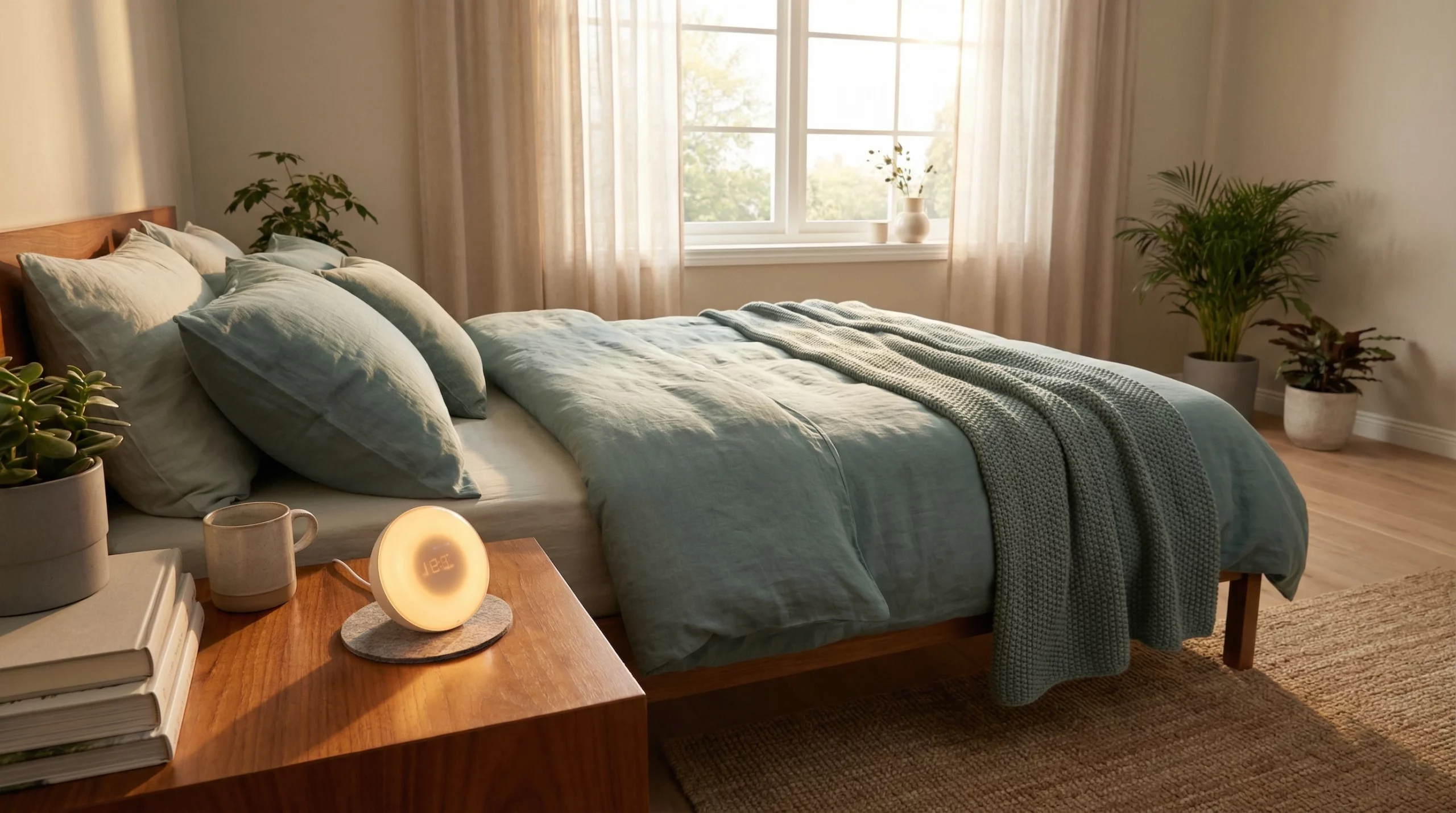
Sleep Better With Gentle AI: Routines, Prompts, and Real-Life Interruptions
As we get older, sleep can start to feel less reliable. You might take longer to drift off, wake more often, or feel groggy even after a full night in bed. And sometimes it’s not “bad habits” at all—sleep can be disrupted by caring responsibilities, older pets, stress, pain, or simply a busy mind that won’t switch off.
Good sleep isn’t a luxury—it’s one of the foundations of clear thinking, steadier mood, and everyday resilience. When sleep is regularly short or broken, many people notice it in their concentration, memory, patience, and energy levels. If poor sleep has become your “new normal,” it’s worth taking seriously – gently and without panic—because the benefits of improving sleep can be significant.
This guide isn’t about chasing perfect sleep in a perfectly controlled world. It’s about more recovery, less stress, and a simple plan you can return to when life wakes you up—using calm routines and (if you’d like) gentle AI support to reduce overwhelm and keep things simple.
Note: This article shares general wellbeing tips, not medical advice. If you have ongoing severe insomnia, breathing pauses during sleep, or worsening symptoms, check in with a healthcare professional.
Quick Start Tonight (10 minutes, not perfect)
If you’re tired, keep it simple. Choose just one of these:
- Pick a lights-out time and set a gently reminder 45 minutes before.
- Do one calming activity (shower, stretch, reading, breathing).
- Use one Gentle AI prompt below to ease into sleep and quiet your inner ‘noise’.
That’s enough to start.
When Sleep Isn’t Fully in Your Control (Caring Roles + Pets)
If you’re caring for a partner, ageing parent, grandkids, or you have an older pet who needs you at night—it’s can be frustratingly common for your sleep to be interrupted. And then difficult to settle again once you’re awake. This isn’t about willpower or doing sleep “wrong”—it’s your nervous system staying ready to respond. Your nervous system is doing what it’s designed to do: staying alert for what matters.
What helps most is not trying to force sleep, but having a simple, familiar way to downshift each time you return to bed. A short reset routine reduces decision-making in the middle of the night and helps your body move back toward calm.
A gentle mindset shift
Instead of: “I must sleep perfectly,” try:
“I’m aiming for the best rest available tonight.”
Or: “If I wake, I have a simple way to settle again.”
Caregiving-friendly sleep strategies
- Protect the first 60–90 minutes of sleep if you can (this is often your most restorative window).
- Use a “minimum routine” on hard nights: dim lights + 2 minutes breathing + one calming prompt.
- If you wake up, don’t problem-solve at 2am. Park it for tomorrow with a quick note.
If older pets wake you
Older pets may need extra toilet breaks, reassurance, or medication. Small changes can help you both:
- A consistent “last call” toilet break
- A dim path light (safer for you, too)
- A simple “night kit” (leash/torch/tissues/meds) so you’re not rummaging in the dark
Track Your Sleep Gently (Without Obsessing)
Tracking can be helpful for raising awareness and supporting good sleep hygiene.
The simplest tracking method
Keep a notebook by the bed and write down:
- bedtime / wake time
- number of wake-ups (rough guess is fine)
- how refreshed you feel (0–10)
Do this for 7 days and you’ll often spot patterns (late caffeine, naps, stress, temperature, pets, pain days).
If you like apps or wearables
A sleep app or wearable can give you patterns and gentle nudges. The key is to keep it supportive:
- Turn off pushy notifications
- Look at weekly summaries rather than nightly “scores”
- Use it for curiosity, not judgement
Gentle AI Tools for Sleep (What Helps, Without Overwhelm)
AI doesn’t “fix” sleep. But it can support the parts that trip us up:
- planning routines
- calming racing thoughts
- creating scripts you can reuse
- helping you prepare for medical appointments if sleep issues persist
A note about recommendations and trust
I only mention tools I’ve personally tried, or researched carefully. Some links may be affiliate links, which means I may earn a small commission — at no extra cost to you — and it helps support this site.
Muse headband (my honest experience)
The Muse headband can be a great fit if you like calm, structured support. It guides you through sessions and gives real-time feedback, which some people find motivating and reassuring. I especially enjoy using it in the morning as a gentle way to settle my mind and set up the day. I use mine regularly, and I rate it highly for relaxation and building a consistent wind-down practice.
Oura Ring (useful, with a personal note)
Sleep wearables like the Oura Ring can be genuinely helpful for spotting patterns — the kind you might miss day to day. In my own case, it made certain “sleep disruptors” much more obvious (for example, how alcohol can affect sleep depth and next-day energy). It also helped me notice which habits were linked with more deep sleep and REM over time.
The Best Part: Gentle AI Bedtime Prompts (Copy/Paste)
Use these in ChatGPT (or any AI assistant). Keep details general—no full names, addresses, or personal medical identifiers.
TIP: If you can, avoid using your phone or computer right before bed (or in the middle of the night), because it can make it harder to drift off again. If one of the prompts below feels like you, try it now, then print the result (or write the steps on a small card) so it’s ready beside your bed when you need it.
NOTE: AI Chat tools are designed to be helpful and often keep the conversation going with extra questions. That can be useful — but not when you’re trying to switch your brain off for sleep. That’s why these prompts include the line: “End after this. Don’t ask follow-up questions.”
1) A simple 30-minute bedtime routine
“Please create a gentle bedtime routine for someone over 50. Keep it realistic, low-screen and calming. End after this. Don’t ask follow-up questions”
2) If I’m ‘tired but wired’
“I feel tired but wired. Please ask me 3 quick questions to tailor a calming wind-down, then pause. After I respond, give me a short personalised plan to help my body relax without forcing sleep – low-screen, gentle and realistic. End after this. Don’t ask follow-up questions.”
3) Turn worries into a tomorrow plan
“I’m worrying about tomorrow. Help me do a quick worry dump and turn it into a plan. Give me:
- what I can do tomorrow,
- what can wait,
- one calming sentence to repeat in bed.
End after this. Don’t ask follow-up questions.”
4) A 3-minute body scan (no fluffy language)
“Write a 3-minute body scan script in a calm, friendly voice, with gentle breathing cues. Lightly poetic, comforting, and simple. End after this. Don’t ask follow-up questions.”
5) If I wake at 3am (no screens)
“I woke up and my mind is active. Give me a gentle 10-minute plan to fall back asleep without screens. Include one grounding exercise and a ‘permission to stop problem-solving tonight’ sentence. End after this. Don’t ask follow-up questions.”
6) Caring interruption reset (partner/pet/parent)
“I’ve been woken up to help someone (or a pet). Give me a gentle 5-minute reset so I can fall back asleep. Keep it simple and soothing. End after this. Don’t ask follow-up questions.”
7) Habit check: smallest changes that help most
“Ask me 6 questions about my sleep habits (caffeine timing, naps, light, temperature, wake-ups, stress), then pause. After I respond, suggest three 3 personalised changes I can try this week. End after this. Don’t ask follow-up questions.”
8) Prepare for a GP visit about sleep (clear and calm)
“Help me prepare for a GP visit about sleep. Ask me what’s been happening, then pause. After I respond, create a short summary I can bring, plus a list of questions to ask. End after this. Don’t ask follow-up questions.”
Craft a Calmer Evening Routine (One tweak at a time)
You don’t need a total lifestyle makeover. Start with one small change:
- Consistency (when life allows): aim for roughly the same sleep/wake window
- Light: dim lights 45–60 minutes before bed if possible
- A calming cue: reading, music, stretching, shower
- Screens: if you use them, lower brightness and use warm/night mode
If you’re interrupted at night (caregiving, pets), your win is this:
a quicker return to calm, not a perfect uninterrupted night.
Bedroom Upgrades That Actually Matter
A peaceful bedroom helps—especially when you’re waking at night.
- Cooler temperature: many people sleep best slightly cool
- Darkness: block early light if it wakes you
- Noise control: white noise or gentle ambient sound can reduce wake-ups
- Safety: path light + uncluttered floor for night movement
When to Seek Advice (Including Sleep Apnea)
Sometimes sleep problems aren’t “routine problems,” and getting support is a really wise move.
Consider checking in with your doctor if you have:
- loud snoring, gasping, or witnessed breathing pauses
- severe daytime sleepiness
- morning headaches
- persistent insomnia (weeks/months)
- worsening mood or anxiety
- new or worsening pain disrupting sleep
Sleep apnea is common and treatable
If sleep apnea is a possibility, screening and treatment can make a huge difference to energy and wellbeing.
Prompt to prepare for sleep apnea screening
“Help me prepare to talk to my GP about possible sleep apnea. Ask me 6 questions (snoring, breathing pauses, headaches, dry mouth, daytime sleepiness, blood pressure) then pause. After my response, write a short summary I can take to my appointment and a list of questions about screening and treatment options.”
Helpful Takeaways
Better sleep after 50 is possible—even when life interrupts. Start small:
- choose a minimum routine you can do on hard nights
- use one prompt to settle your mind
- track gently for a week
- and get medical advice when symptoms suggest something deeper (like sleep apnea)
Most of all: be kind to yourself. Sleep improves best when the approach is gentle.
Tools that may help (choose what suits you)
- A simple notebook sleep log (free)
- A sleep app (try one and turn off notifications)
- Muse headband (guided calm support)
- A wearable sleep tracker.